Start with the exact V1 configuration
A V1 injection pen sample should help an OEM buyer answer a practical question: does this specific configuration fit the project brief? A useful evaluation separates the product's appearance from its interfaces, documentation and production requirements. That makes feedback easier to act on before a bulk order.
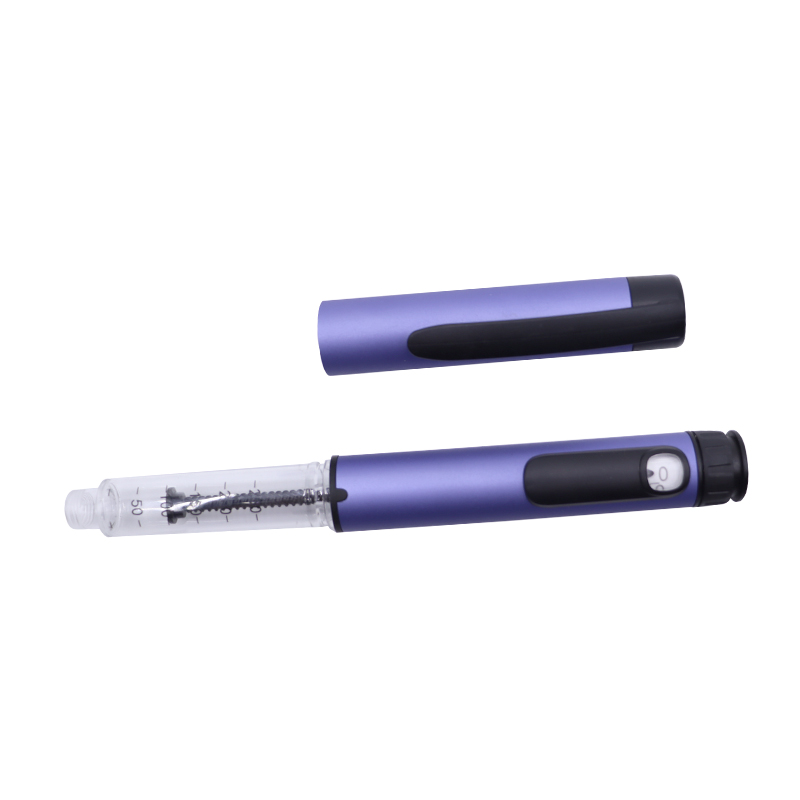
PLZ currently lists a V1 80U metal reusable injection pen with an aluminum alloy body and optional color configuration. Treat that listing as a model reference for a sourcing discussion. Ask for the specification and revision of the exact sample being supplied rather than assuming every product carrying the V1 name has identical features.
This checklist concerns pen hardware procurement. It does not establish suitability for a particular medicine or replace the technical evaluation of a finished product.
1. Match the sample to a written specification
Record the model identifier, sample date, drawing revision and components supplied. Confirm the requested dose range, increments, materials, dimensions and intended cartridge and needle interfaces with PLZ in writing. Where a specification is not yet agreed, mark it as an open item with an owner and a target decision date.
Keep the proposed production configuration alongside the sample record. A standard sample may differ from a customized order in color, marking, packaging or components. Ask which differences are cosmetic and which need further engineering review. Matching a nominal cartridge volume alone is not sufficient evidence that the complete assembly meets your project requirements.
2. Review the body, finish and handling
For a metal reusable V1 pen, examine the sample under consistent lighting and record observations about surface finish, visible edges, cap fit, printed markings and the feel of assembly. Compare multiple samples where possible so that the discussion is about repeatable acceptance criteria rather than one attractive example.
Have the responsible technical team review handling and the intended operating sequence using the supplied instructions. Record questions about scale readability, controls and component fit. A comfortable grip or a clear scale is an observation about the sample; it should not be presented as proof of dose accuracy, clinical performance or suitability for every user.
Separate appearance comments from functional issues in your feedback. A photograph can document a finish concern, while an interface question may require dimensions, drawings or a defined evaluation method.
3. Define what the sample review can approve
Agree on the evaluation method, acceptance criteria and responsible reviewer before deciding that a sample is approved. Ask what configuration-specific test reports and inspection records are available, what they cover and which evaluations remain your team's responsibility.
Use distinct review outcomes: approved for appearance, accepted for further technical evaluation, or approved against an agreed specification. These outcomes should not be treated as interchangeable. Record unresolved points and do not allow a color or logo approval to close a separate technical question.
For a reusable platform, ask which instructions, maintenance information and supporting evidence are available for the proposed use. Do not infer a service life, cleaning method or drug compatibility from the word reusable.
4. Turn branding ideas into controlled requirements
For V1 private-label discussions, prepare a color reference, logo artwork, marking location and packaging brief. Ask which options are available for the selected model, whether a pre-production sample is needed, and whether the changes affect minimum quantities, cost or timing.
Distinguish a digital mockup from a physical approval sample. Agree on the artwork revision and the method used to judge color and placement. If the sample uses temporary packaging, record the packaging specification that still needs approval before the production order.
Keep quantities separate for samples, a pilot run and the expected first order. Request current project-specific MOQ and lead-time information rather than assuming a catalog listing includes a fixed commercial offer.
5. Close the evaluation with a clear handover
Send PLZ one consolidated feedback record that identifies the sample, each issue, supporting observations and the requested next step. Retain an approved reference sample where appropriate, and align the quotation, specification, artwork and packaging revisions before releasing a purchase order.
Ask how production changes will be communicated and what inspection documents will accompany the shipment. A clear handover helps both teams distinguish an agreed requirement from an unresolved preference.
Request a V1 sample discussion with PLZ
To start, identify the V1 model you are considering, your destination market, sample quantity, expected order volume, interface information and customization needs. PLZ can then discuss the available configuration and the information needed for a useful quotation.
Product reference: https://www.plzmedical.com/en/products/plz-v1-80u-metal-reusable-injection-pen
OEM inquiries: https://www.plzmedical.com/en/contact