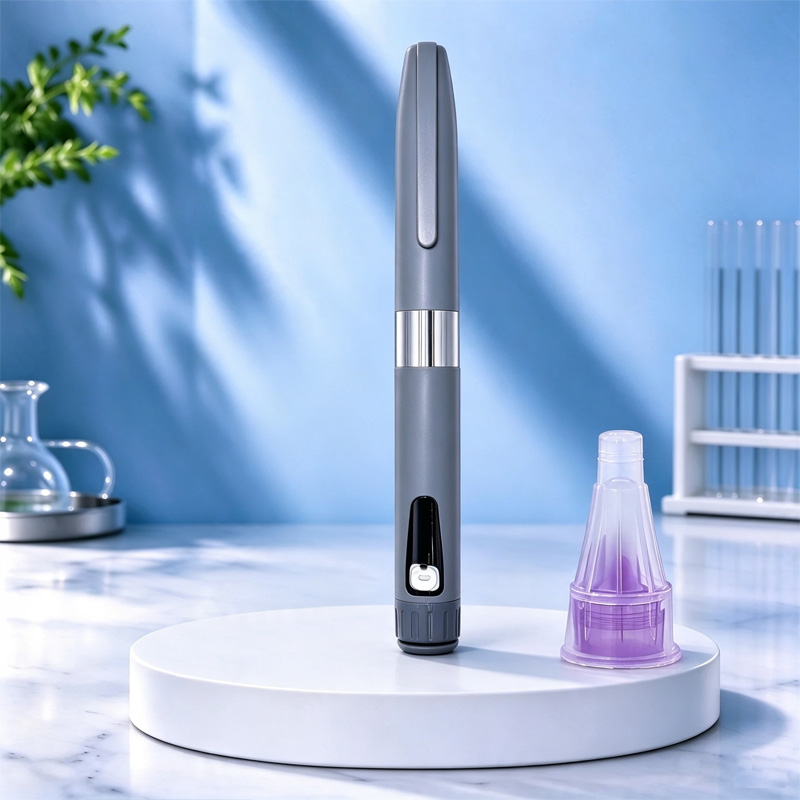
OEM Procurement Overview
A successful injection pen OEM project starts with a clear purchasing brief. Before comparing unit prices, buyers need to establish exactly what is being supplied, which requirements remain open, and how samples will be approved. A structured request for quotation (RFQ) gives procurement, engineering and quality teams a common basis for evaluating suppliers.
This guide focuses on buying injection pen hardware for an OEM program. The purchase scope should explicitly distinguish empty devices and components from any drug-filled finished product.
1. Define the supply scope before requesting a price
State whether the project requires an existing platform with branding changes, modifications to an existing design, or a new development program. Ask the supplier to separate standard features from options that require engineering work, tooling or additional evaluation.
• Identify the reusable or disposable platform being considered and its intended project use.
• List the components included in the quotation, including any cartridge holder, cap, accessories and packaging.
• Specify whether cartridges, needles, filling, assembly or other services are included or excluded.
• Record the intended destination market and who will assess the documentation needed for that market.
A catalog description is a starting point for discussion. Obtain written confirmation of the exact configuration offered for your project.
2. Send an RFQ that suppliers can answer consistently
Use the same brief for each shortlisted supplier. Mark requirements as mandatory, preferred or still to be confirmed, so that a lower quotation does not conceal a different specification.
• Project: company, destination market, development stage and target launch window.
• Platform: model reference or drawings, reusable or disposable format, and proposed supply scope.
• Interfaces: cartridge and needle specifications or drawings available for technical review; identify unconfirmed fit requirements.
• Performance requirements: required dose range, increments and evaluation criteria for the proposed configuration, to be reviewed by the responsible technical team.
• Appearance: color references, finish, logo artwork, marking location and packaging concept.
• Volumes: sample quantity, pilot quantity, first production order and estimated annual demand.
• Commercial details: requested delivery location, quotation currency, shipping basis and required delivery window.
• Evidence: requested drawings, inspection records, relevant test reports and quality-system documents for review.
Do not treat a matching cartridge volume or a similar external appearance as proof of suitability. Ask what evidence is available for the specific device and interface combination, and identify any remaining evaluation work before committing to production.
3. Compare the complete quotation
Place supplier offers side by side using identical quantities and configurations. Separate recurring unit costs from one-time development, tooling, artwork, sample and packaging charges. Ask whether the minimum order quantity applies per model, per color, per packaging version or to the total order.
Check what starts the lead-time clock: deposit receipt, drawing approval, artwork approval, material availability or another milestone. Request separate estimates for sample preparation, customization, pilot production and the first bulk shipment. Confirm quotation validity, payment milestones, shipping scope and how specification changes affect price and timing.
4. Agree on sample acceptance before testing
Ask whether samples represent the intended production configuration. Record the model, revision, materials or finishes relevant to the review, included components and known differences from the proposed bulk supply.
Prepare an evaluation checklist with the responsible engineering and quality teams. It can cover dimensional interfaces, assembly, handling, markings, appearance, packaging and the performance evidence required for the project. Define the method, acceptance criteria, responsible reviewer and record format rather than relying on a general statement that samples look acceptable.
Keep an approved reference sample and a written list of accepted deviations. Appearance approval alone should not be used to close unresolved technical requirements.
5. Review documentation and production controls
Ask suppliers which documents they can provide for the quoted configuration and what each document covers. Review certificate validity and scope rather than inferring product approval from a quality-system certificate. Your responsible regulatory team should determine the requirements that apply to the intended market and final product.
Discuss batch identification, inspection records, nonconforming-product handling and notification of changes to materials, components, tooling or manufacturing processes. Where custom tooling is involved, clarify ownership, maintenance responsibilities and access arrangements in writing.
6. Release the first order against an agreed baseline
Before issuing the purchase order, align the final quotation, approved drawings or specification, sample approval, artwork and packaging requirements. Resolve open points and assign revision identifiers so that both parties work from the same baseline.
For the first production run, agree on inspection arrangements, documents supplied with the shipment, delivery milestones and the process for reporting discrepancies. Record any change after approval and confirm its effect on cost, schedule and evaluation needs before production proceeds.
Start your PLZ OEM procurement discussion
Explore the PLZ injection pen product range (https://www.plzmedical.com/en/products) to identify platforms for discussion. Then request an OEM quotation (https://www.plzmedical.com/en/contact) with your preferred model, target market, sample and order quantities, cartridge interface information, and branding requirements. A clear brief helps the team identify what can be quoted and which technical questions need further review.